If you’ve ever paused mid-sentence wondering whether Lake Texoma should be capitalized, you’re not alone. It’s one of those small grammar puzzles that shows up when you’re writing a blog post, school paper, or even a social media caption. And strangely, the more you think about it, the less confident you feel.
People Google this every day, not because they’re unsure about the lake itself, but because capitalization rules in English can feel slippery. And when the name belongs to a place as well-known as Lake Texoma—a popular spot for fishing, camping, and weekend escapes—you want to get it right.
So let’s break it down in a simple, practical way.
- Why “Lake Texoma” Should Be Capitalized
- Understanding Why the Word “Lake” Is Capitalized Too
- Real-World Example: How Writers Actually Use It
- Common Grammar Mistakes People Make with Lake Texoma
- Why This Question Matters More Than You’d Expect
- How Search Engines Interpret Capitalization
- When to Capitalize Similar Place Names
- Why Some Guides Confuse People
- Conclusion: The Rule Is Simple—And Worth Following
Why “Lake Texoma” Should Be Capitalized
The short answer is yes—Lake Texoma should always be capitalized.
The long answer explains why.
Lake Texoma is a proper noun, meaning it refers to a specific, official geographic name. English capitalization rules require that proper nouns always begin with capital letters. You capitalize both the generic part (“Lake”) and the specific part (“Texoma”).
Just like:
- Lake Michigan
- Lake Tahoe
- Lake Superior
Lake Texoma follows the exact same structure: a common noun paired with the unique name of the place.
If someone writes it as lake Texoma or Lake texoma, the meaning doesn’t change, but the accuracy does. And when your writing needs to look polished—especially in academic, journalistic, or branded content—capitalization mistakes stand out quickly.
Understanding Why the Word “Lake” Is Capitalized Too
Many people wonder if only the name “Texoma” should be capitalized. The confusion is understandable because some geographic features don’t capitalize the generic term unless used formally. But lakes follow a consistent rule: when the generic word is part of the official name, it gets capitalized.
Here’s a quick comparison:
| Correct | Incorrect | Explanation |
|---|---|---|
| Lake Texoma | lake Texoma | “Lake” is part of the proper name. |
| the lake | The Lake | When used generically, it’s lowercase. |
| Lake Erie | lake Erie | Same rule applies everywhere. |
If you’re referring to the specific lake—capitalize both words.
If you’re speaking about a lake in general—keep it lowercase.
Simple enough, right?
Real-World Example: How Writers Actually Use It
Imagine you’re writing a travel blog:
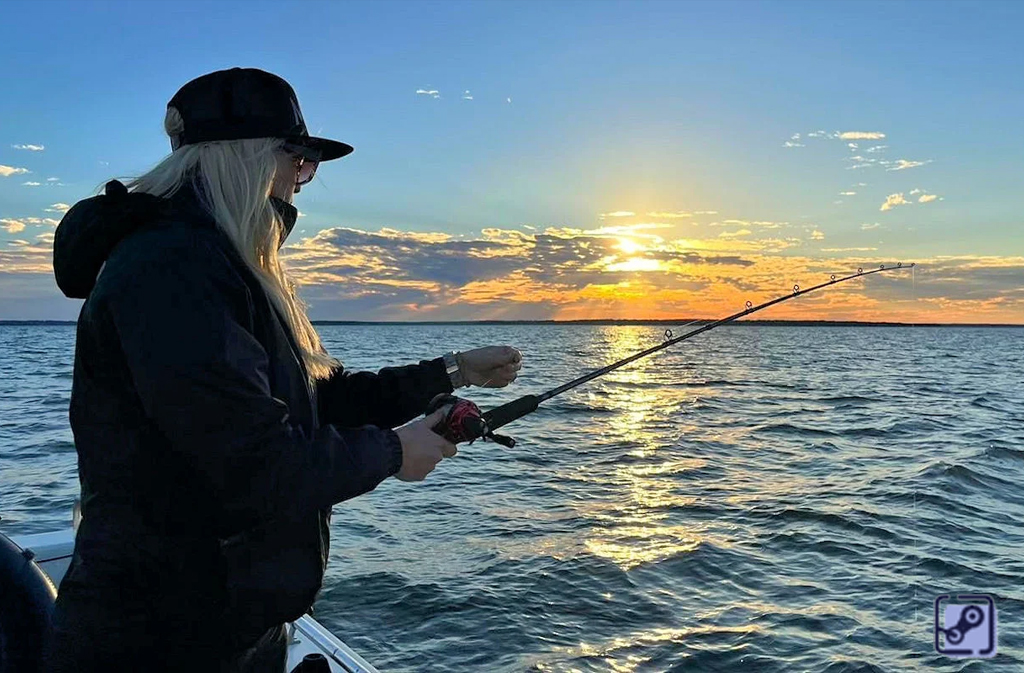
“We spent the weekend camping near Lake Texoma, and the sunset looked unreal.”
That’s correct.
But if you follow it with:
“Later, we walked down to the lake to catch the breeze,”
you’re no longer naming it—you’re describing it generically. So the second usage stays lowercase.
Writers and editors do this naturally to keep the flow smooth and the text accurate. Even local tourism boards, fishing guides, and news outlets follow the same pattern because it lines up with AP Style and general grammar rules.
Common Grammar Mistakes People Make with Lake Texoma
When researching why Lake Texoma should be capitalized, you’ll often see variations online that look a bit off. Here are mistakes to avoid:
1. Capitalizing Only One Word
- ❌ lake Texoma
- ❌ Lake texoma
Both break standard rules.
2. Adding Capitalization When Using the Word Generically
- ❌ We got lost near The Lake.
Unless it is part of the formal name, “the lake” should stay lowercase.
3. Treating “Texoma Lake” as Correct
Even though people say it casually, the official name is Lake Texoma, not “Texoma Lake.” The order matters for proper nouns in English and for geographical naming conventions.
4. Forgetting About Context
Capitalization depends on whether you’re naming the lake or simply referencing a lake. The rule is universal, but context drives how you apply it.
Why This Question Matters More Than You’d Expect
At first glance, capitalization questions feel tiny—almost too tiny to worry about. But the internet runs on details. Whether you’re writing:
- A tourism article
- A school assignment
- SEO content for a travel blog
- A real estate listing
- A social media update
- Even a boating or fishing guide
…accuracy builds credibility. Readers may not notice when you get things right, but they absolutely notice when something looks inconsistent.
And search engines notice, too. Capitalization doesn’t directly affect ranking, but clarity and professional writing do help with user engagement, dwell time, and trust signals—all of which play into 2025 SEO and AEO behavior.
How Search Engines Interpret Capitalization
You might wonder: does Google care if you write “Lake Texoma” or “lake texoma”?
Technically, search engines can understand both. But proper capitalization improves readability and user signals, which do influence algorithmic evaluation. When your content feels polished and authoritative, readers stay longer—and Google sees that.
Plus, Google’s AI Overview is designed to extract accurate names of locations, landmarks, and entities. Using proper capitalization makes entity recognition cleaner, which can help your page appear in answer boxes, AI summaries, and structured snippets.
In short: write it correctly for humans, and the algorithms will follow.
When to Capitalize Similar Place Names
If you’re brushing up on grammar, here’s a quick refresher on how similar names work.
You capitalize both parts when referring to a specific, named location:
- Mount Everest
- River Thames
- Grand Canyon
- Red River
- Lake Texoma
But keep them lowercase for generic references:
- “We followed the river.”
- “The mountain looked huge today.”
- “We spent the evening at the lake.”
This rule is simple once it clicks:
Official names get capital letters. Generic nouns don’t.
Why Some Guides Confuse People
One reason people search “lake texoma should be capitalized” is that style guides differ when the order changes. For example:
- Mississippi River (official name → capitalize both words)
- the river Mississippi (rare usage → second word capitalized only)
But lakes rarely flip their order in natural writing. You wouldn’t say “Texoma Lake” in formal text. That’s why the rule feels more straightforward here.
Conclusion: The Rule Is Simple—And Worth Following
So yes, Lake Texoma should be capitalized every time you’re referring to the official geographic name. Capitalize both words, keep your writing clear, and let the rules work for you rather than confuse you. It’s a small detail, but it signals accuracy, professionalism, and attention to detail—qualities that matter whether you’re writing for readers, teachers, clients, or search engines.
For more, read: Live Streameast