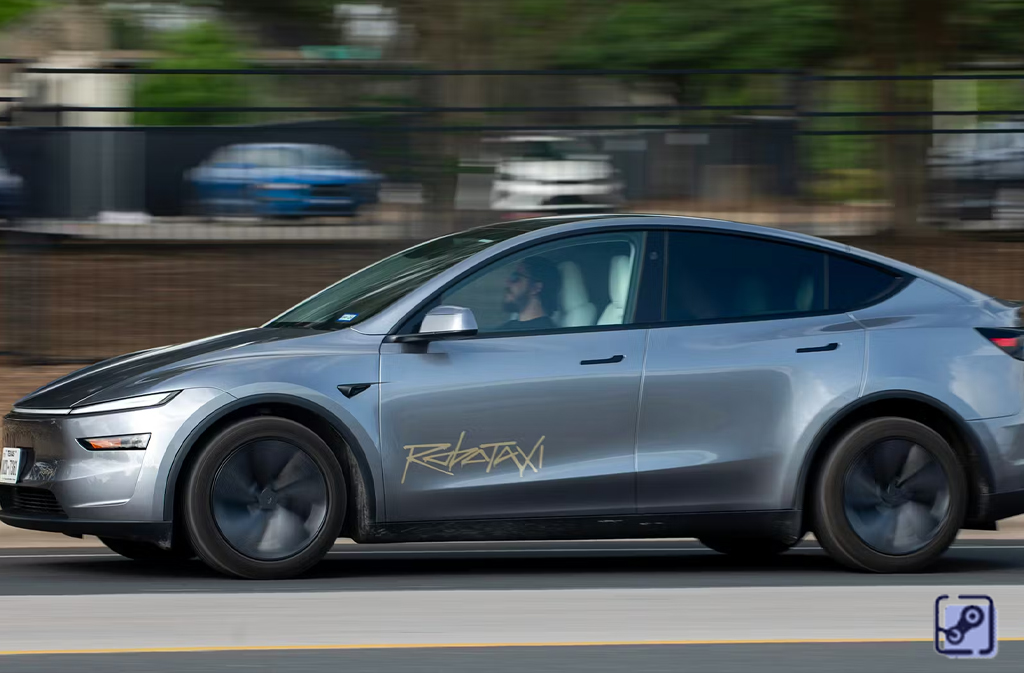
Imagine stepping out of your house, opening an app, and within minutes, a sleek, driverless Tesla pulls up to your curb. No human driver, no waiting in traffic while someone else navigates—you simply enter, sit back, and enjoy the ride. This isn’t science fiction; it’s the vision behind Tesla’s highly anticipated Robotaxi.
Tesla has long been a trailblazer in electric vehicles, but the Robotaxi takes the company’s innovation a step further. Combining advanced self-driving technology, sustainable energy, and ride-sharing convenience, Tesla aims to reshape how we think about transportation in the 21st century.
But what exactly is a Tesla Robotaxi, and why is it generating so much buzz? Let’s explore the concept, its technology, and the real-world implications of a driverless Tesla future.
What is the Tesla Robotaxi?
At its core, the Tesla Robotaxi is an autonomous vehicle designed to operate as a self-driving ride-hailing service. Unlike traditional taxis or ride-sharing cars, Robotaxis eliminate the need for a human driver entirely.
Key features include:
- Full Self-Driving (FSD) Capability: Tesla’s advanced AI software powers the Robotaxi, allowing it to navigate complex urban streets, highways, and intersections.
- Electric-Powered Efficiency: Built on Tesla’s existing EV platforms, the Robotaxi is environmentally friendly and cost-efficient.
- On-Demand Accessibility: Users can summon a Tesla Robotaxi via an app, similar to modern ride-sharing services like Uber or Lyft.
The idea is simple yet revolutionary: a network of autonomous Teslas providing rides on demand, 24/7, without human intervention.
How Tesla Robotaxi Technology Works
Tesla’s Robotaxi relies on a combination of hardware and software advancements, including sensors, AI algorithms, and neural networks.
- Sensor Suite:
Each Robotaxi is equipped with cameras, ultrasonic sensors, and radar systems. These tools allow the car to detect pedestrians, cyclists, other vehicles, and obstacles with remarkable precision. - Neural Networks & AI:
Tesla’s AI continuously learns from real-world driving data collected from its fleet. This means every Tesla on the road helps improve the performance of every other Tesla. - Full Self-Driving Software Updates:
Tesla regularly pushes over-the-air software updates to enhance navigation, safety, and traffic decision-making. The Robotaxi will benefit from continuous improvement, eventually reaching a point where human intervention is rarely needed. - Energy Optimization:
Tesla’s EV efficiency reduces operating costs compared to gasoline vehicles, which is crucial for the economic viability of a 24/7 ride-sharing network.
Benefits of Tesla Robotaxi
The potential impact of Tesla Robotaxi on everyday life is significant. Here’s what makes it exciting:
- Lower Transportation Costs: Without a human driver, fares could drop dramatically. Some estimates suggest passengers may pay less than half the price of traditional ride-sharing services.
- Reduced Traffic Congestion: Autonomous Teslas could coordinate seamlessly, reducing traffic jams and optimizing route efficiency.
- Environmental Impact: Fully electric Robotaxis cut carbon emissions and reduce reliance on fossil fuels.
- 24/7 Availability: No shifts, no fatigue—Robotaxis can operate around the clock, providing convenient transportation whenever needed.
Challenges Ahead
Despite its promise, Tesla Robotaxi faces several hurdles before it becomes mainstream:
- Regulatory Approval: Autonomous vehicles must meet strict safety standards, which vary by country and state.
- Public Trust: Riders need to feel safe in a fully driverless car—a significant psychological barrier.
- Technological Limitations: While Tesla’s AI is advanced, complex urban environments with unpredictable pedestrians and weather conditions remain challenging.
- Insurance & Liability: Determining responsibility in accidents involving autonomous vehicles is still legally complicated.
Tesla’s approach is iterative: by testing in real-world conditions, the company is gradually overcoming these obstacles.
When Can We Expect Tesla Robotaxi?
Elon Musk has suggested that Tesla Robotaxis could be commercially available soon, though timelines are often optimistic. Current projections indicate limited deployments in select cities within the next few years, expanding as regulatory approvals and technology maturity align.
Tesla also plans to integrate Robotaxis with its existing ride-sharing app, allowing Tesla owners to rent out their vehicles when not in use. This could create an entirely new income stream for EV owners while simultaneously building a self-driving fleet.
Real-World Implications
The widespread adoption of Tesla Robotaxis could reshape cities, commuting habits, and even car ownership models.
- Urban Planning: With fewer personal vehicles on the road, parking lots could shrink, and urban spaces could be repurposed.
- Economy: A driverless ride-hailing network may disrupt traditional taxi services, trucking, and delivery businesses.
- Lifestyle Changes: Commuters could reclaim time spent driving, allowing for productivity or leisure during trips.
While the transition will be gradual, the long-term potential is transformative.
Tesla Robotaxi vs Traditional Ride-Sharing
| Feature | Tesla Robotaxi | Traditional Ride-Sharing |
|---|---|---|
| Driver | None | Human driver required |
| Operating Hours | 24/7 | Limited by driver availability |
| Cost | Potentially lower | Fares include driver compensation |
| Environmental Impact | Electric | Often gasoline-powered |
| Safety | AI-monitored | Human error possible |
The comparison highlights why Tesla Robotaxi could eventually dominate urban transportation.
Conclusion
Tesla Robotaxi represents a bold step into a future where transportation is autonomous, sustainable, and accessible. While challenges remain, the technology promises to redefine how we move, work, and live in cities around the world.
Whether you’re a Tesla enthusiast, a tech skeptic, or a casual commuter, it’s worth keeping an eye on this innovation. The age of driverless, electric ride-sharing may be closer than we think.

FAQ
Q1: What makes Tesla Robotaxi different from Tesla’s current autopilot?
A: Tesla Robotaxi will operate fully autonomously without human supervision, whereas autopilot still requires driver attention.
Q2: Will Tesla Robotaxi be available globally?
A: Initially, it will likely roll out in select cities with favorable regulations, expanding over time as safety and legal hurdles are addressed.
Q3: Can Tesla owners earn money with Robotaxi?
A: Yes, owners may rent out their Tesla vehicles to the Robotaxi network, creating a potential income stream.
Q4: How safe is a Tesla Robotaxi?
A: Tesla’s AI continuously learns from millions of miles driven, aiming to reduce accidents, though real-world deployment will require extensive testing and regulatory approval.
Q5: When can I ride a Tesla Robotaxi?
A: Commercial availability is expected within the next few years in limited locations, depending on software readiness and government approvals.
For more, read: Live Streameast